TIP 1: Don’t start with a cold, dirty grate.
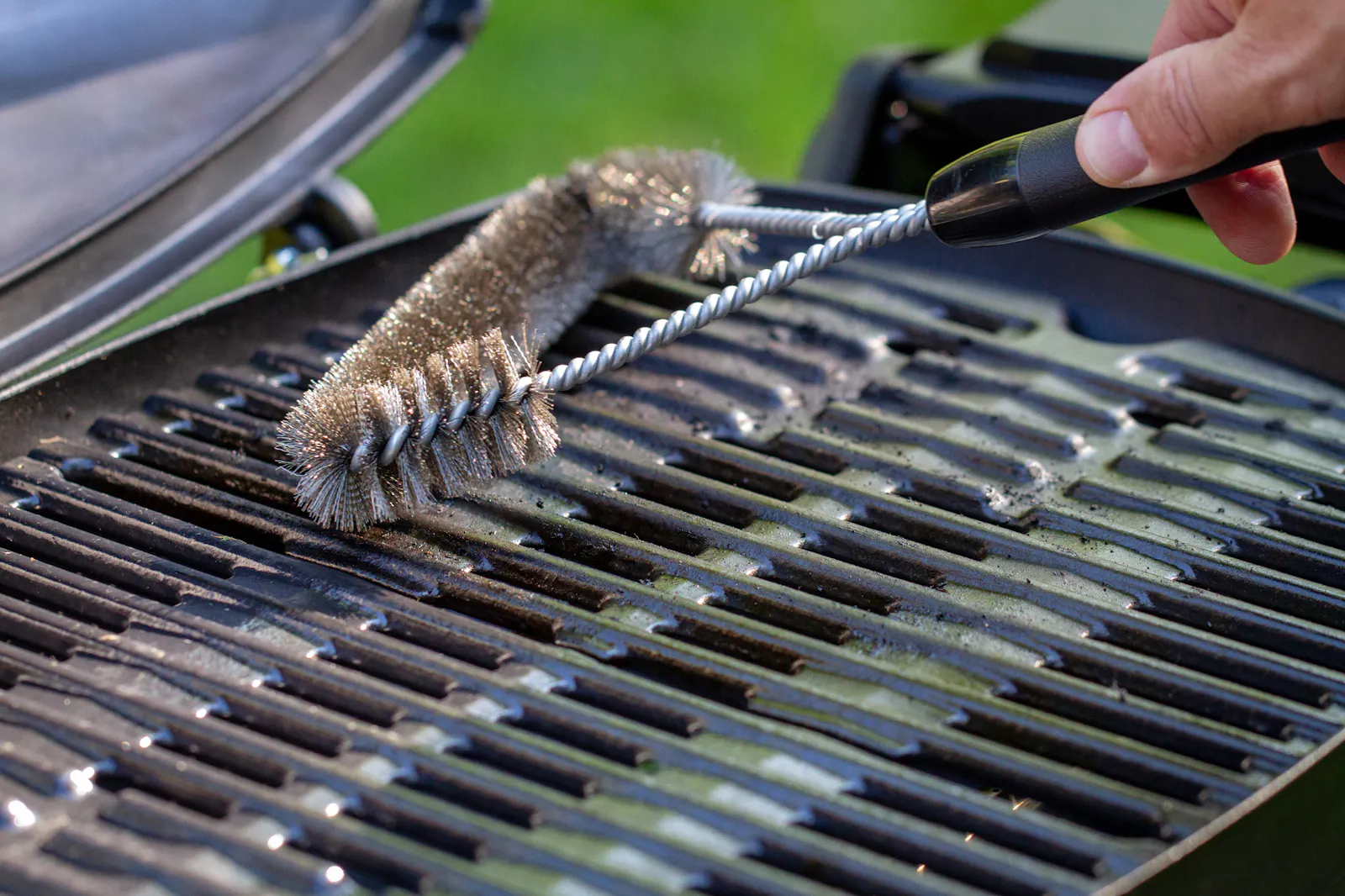
A grill needs at least 15 minutes toget the grate hot enough to sear foodproperly. Preheat every time, andalways give the hot grate a thoroughonce-over with a stiff-bristle brushbefore adding food. A hot, cleangrate will brown food better, with lesschance of sticking.
TIP 2: Season like you mean it.
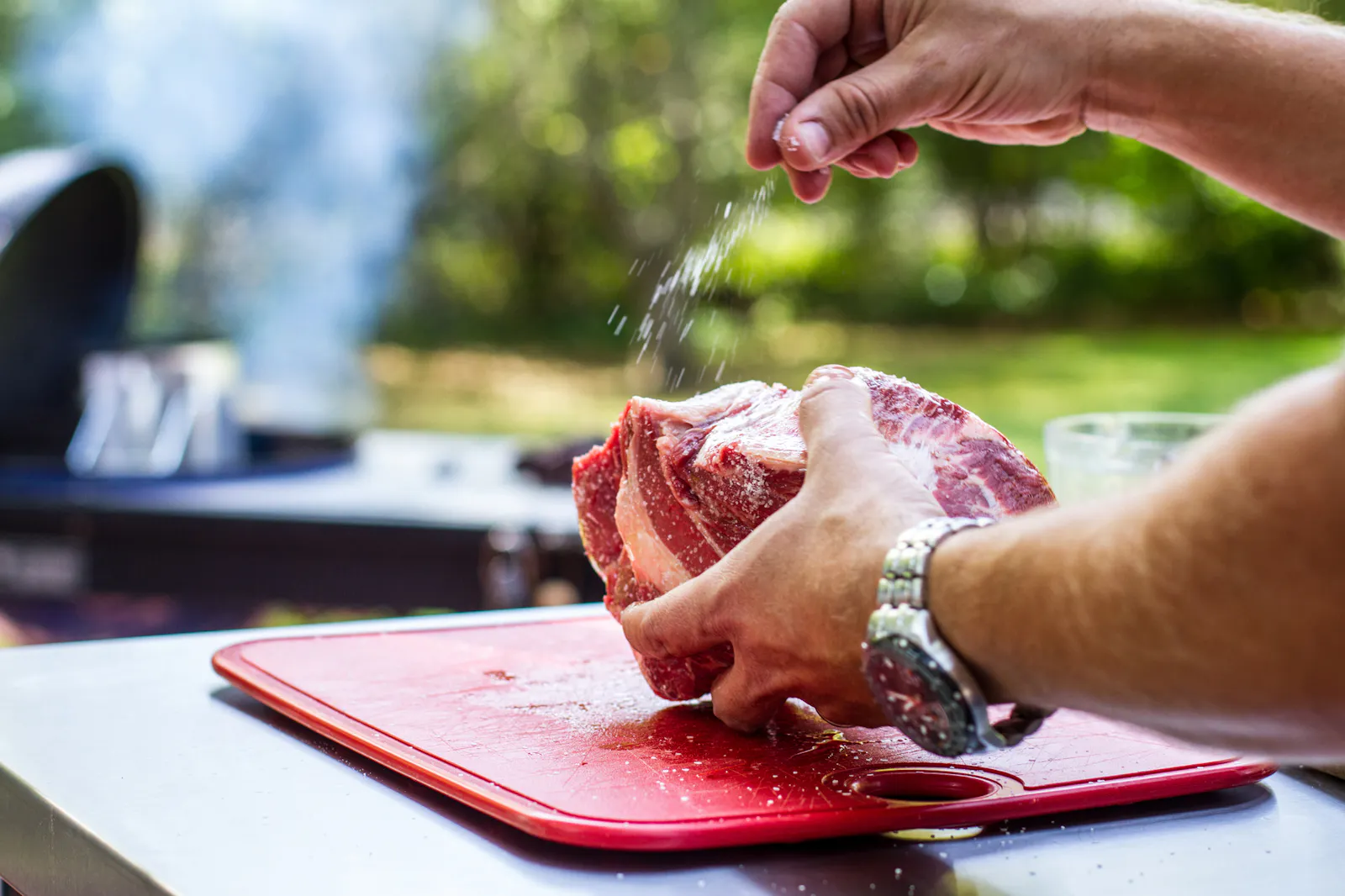
Salt ismore important to great taste than anyother ingredient. First, oil the food (notthe grate), then sprinkle generouslywith salt, pepper, and/or other seasonings from edge to edge and onall sides. The oil will hold seasoningson the surface and prevent food fromsticking to the grate.
TIP 3: Don’t have just one zone.
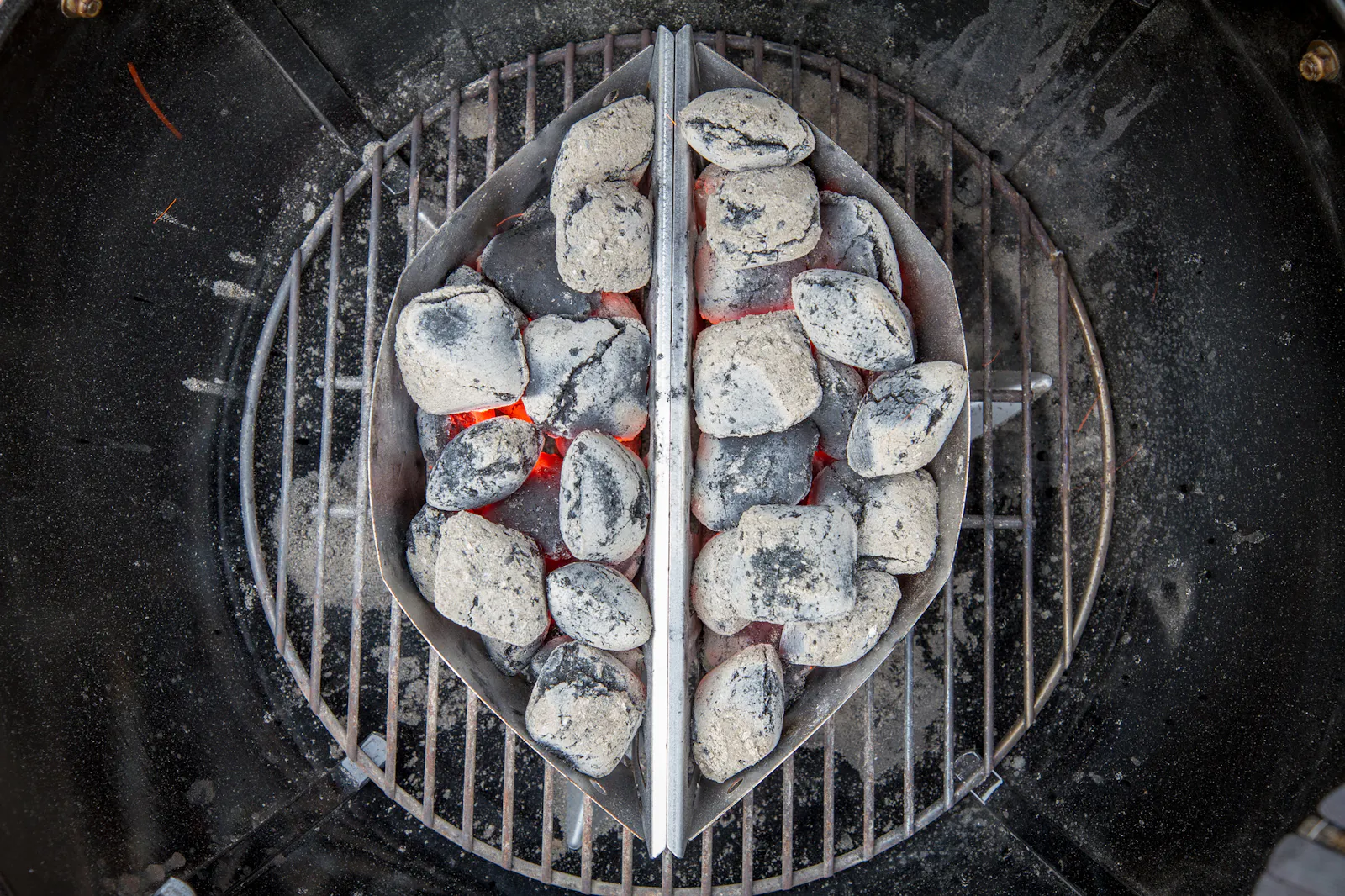
More heatzones mean more flexibility for timeswhen something is cooking too fast oryour food is flaring up or you are grilling two very different foods at the sametime. At the very least, give yourself theadvantages of two zones, one for directheat and one for indirect heat.
TIP 4: Match the heat to the meat.
Not everything should be grilled at the same temperature. Generally speaking, thin and tender foods do better over high temperatures, while thicker and tougher items often do better over less intense temperatures, sometimes in the form of indirect heat.
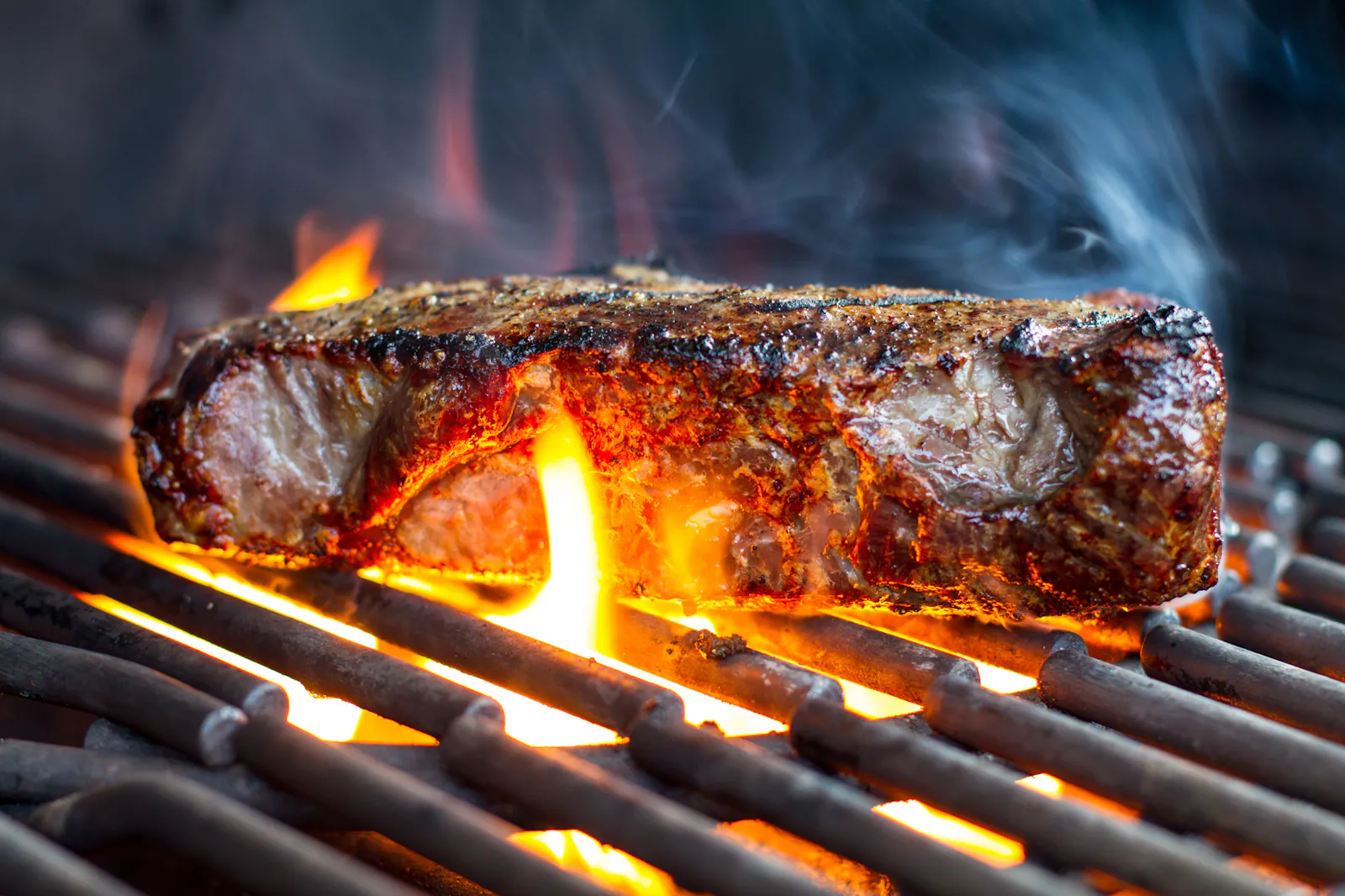
TIP 5: Don’t crowd the grill.
Packing toomuch food onto the cooking graterestricts your ability to be nimble andresponsive. You should leave at leastone-fourth of the grate clear, withplenty of space around each item of food; that way you can get yourtongs in there and move the piecesfrom one area to another.
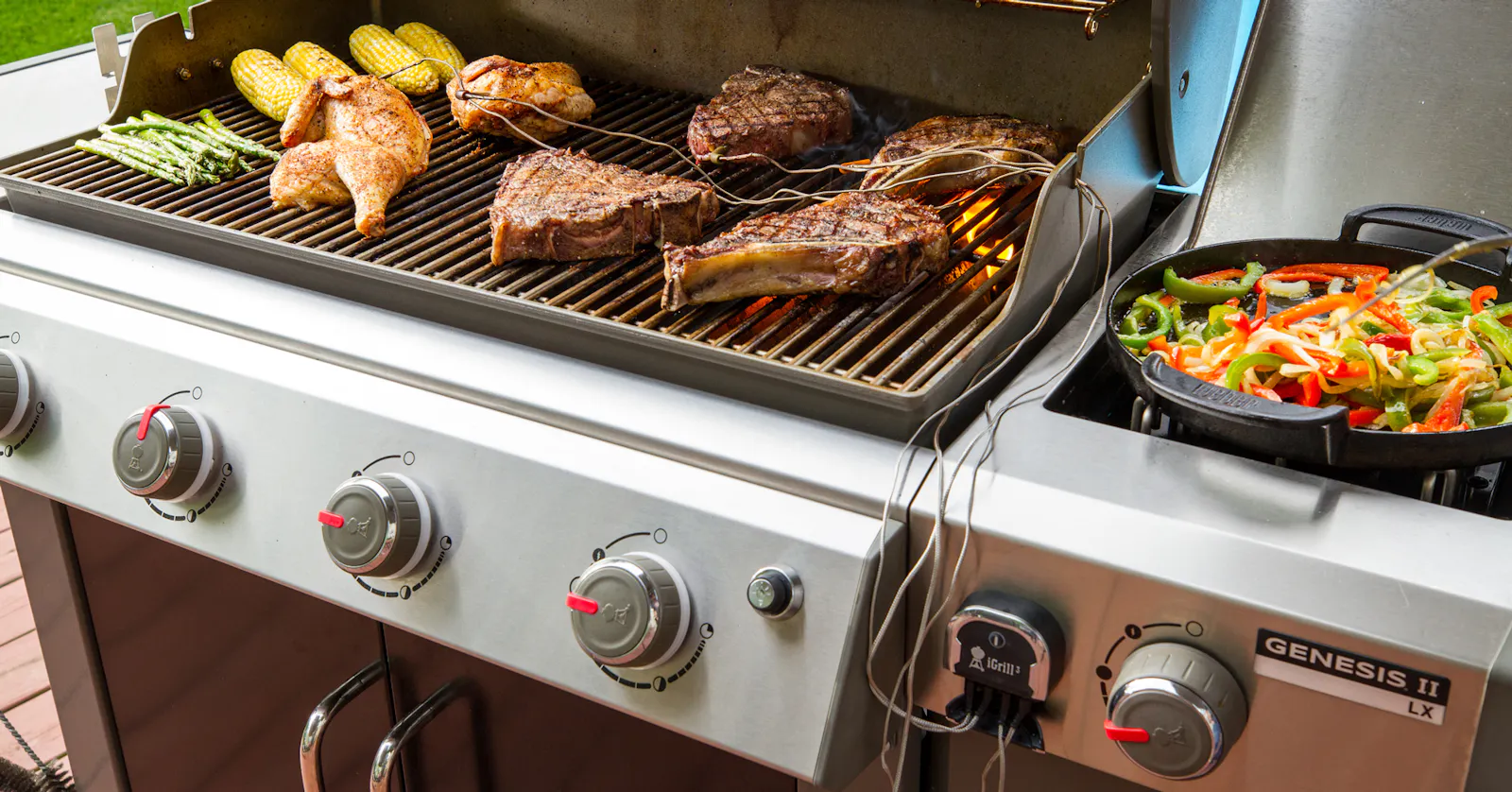
TIP 6: Keep a lid on it.
Keeping the grilllid down as much as possible isespecially important for maintainingeven temperatures, controlling flare-ups, and capturing the fragrantsmokiness that grilling generates.
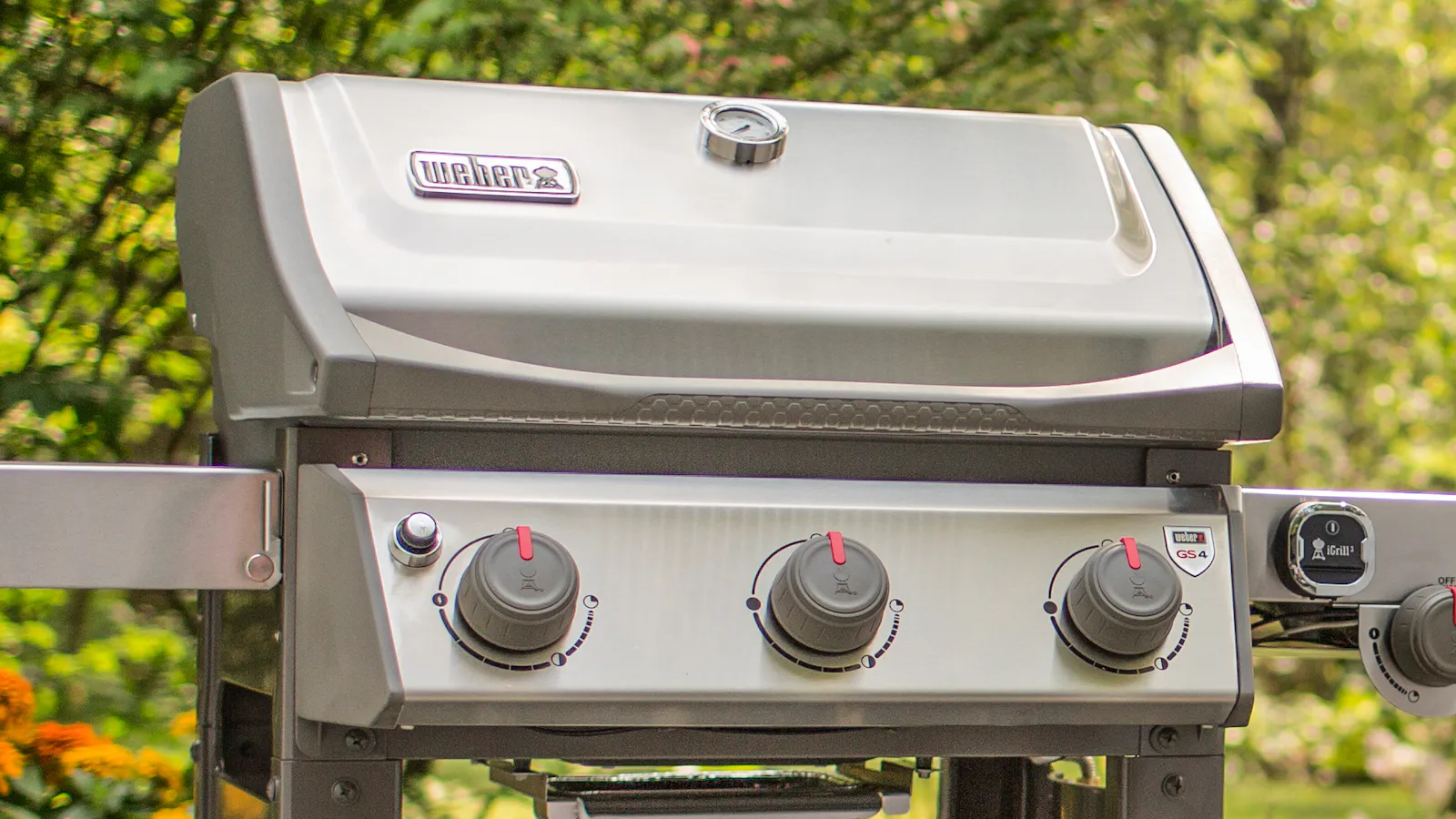
TIP 7: Don’t fiddle so much.
Never pokeand prod food more than you needto, or you’ll lose flavors and color.You might also tear the surface of thefood if you try to turn it too often. Turnmost foods just once or twice. When indoubt, wait it out—assuming flare-upsare not an issue.
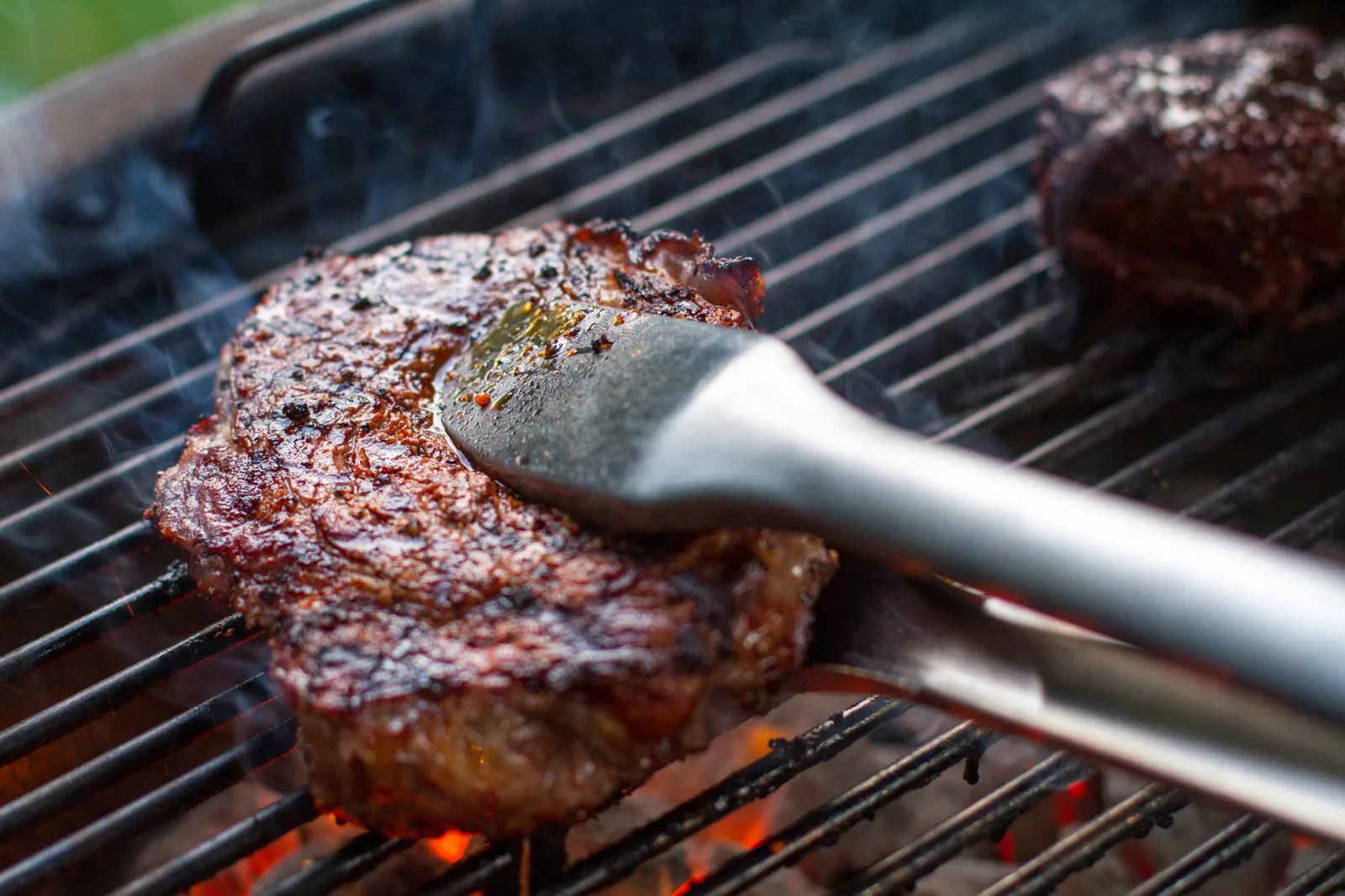
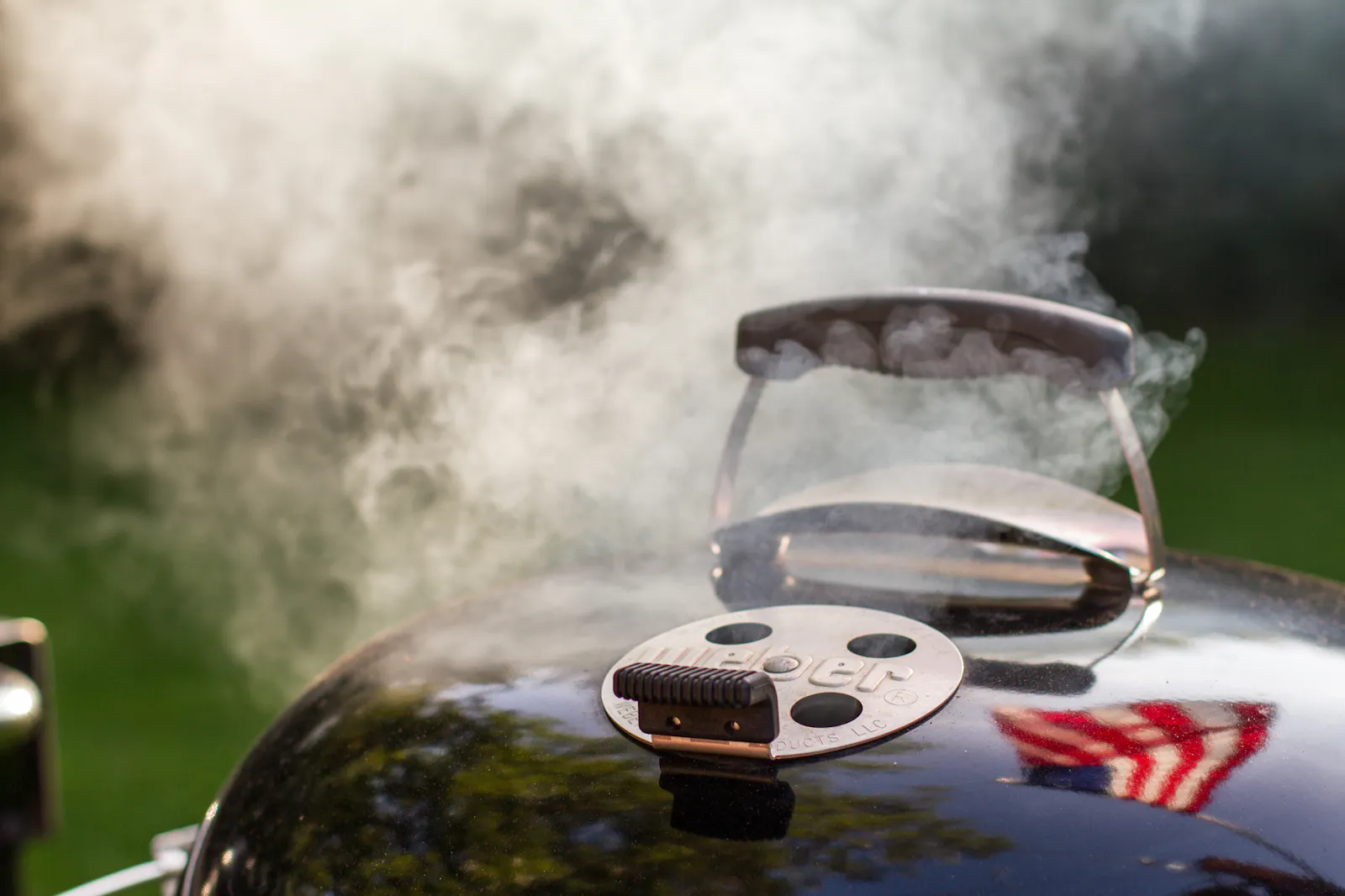
TIP 8: Respond to smoke signals.
Thequality of smoke from your grill couldmake or break your dinner. If it is blackand dense, something is wrong (andmaybe sooty). The food might be on fire, or the fire itself might not begetting enough air. What you want tosee are wispy streams of clean, whitishsmoke. Be ready to move your food,open the air vents, or add more fuel atthe appropriate times.
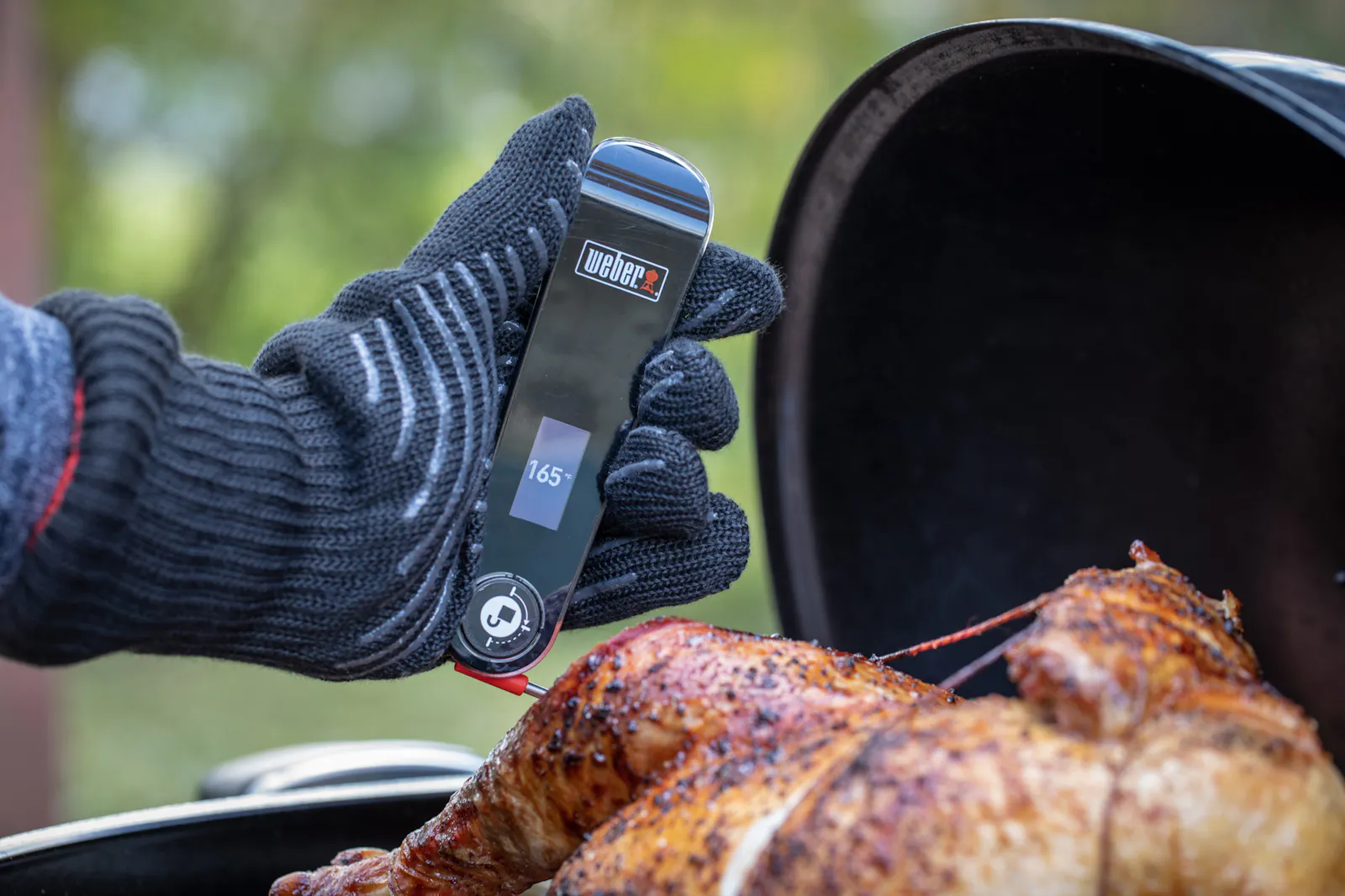
TIP 9: Don’t just guess.
Knowing whenfood is done shouldn’t be a guessinggame. Sometimes color can tell you alot. Sometimes texture provides clues.But with most meats, poultry, and fish,a thermometer is essential. Invest in a reliable one. It will make you righttime after time.
TIP 10: Imagine what else you can grill.
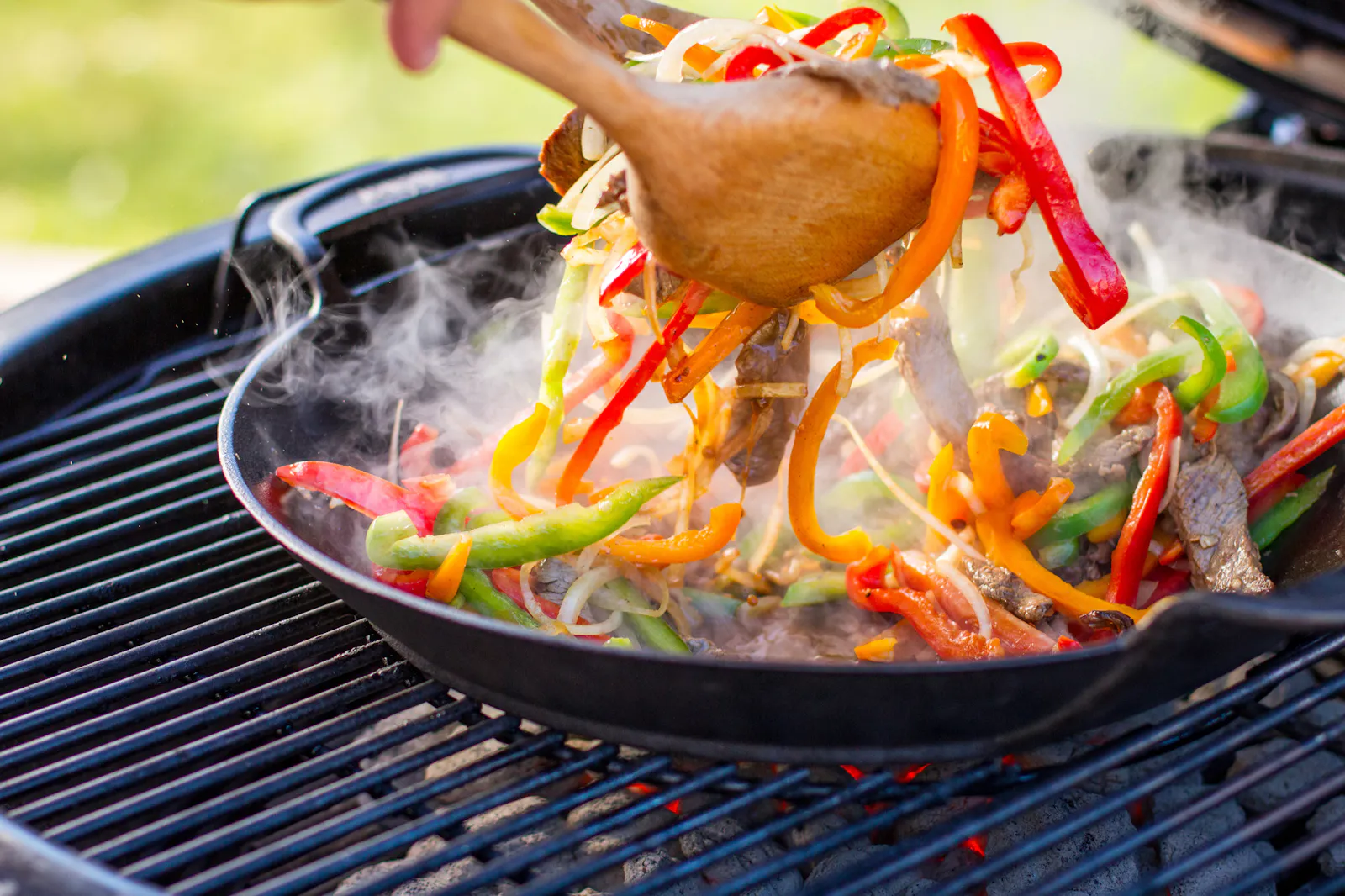
There was a time when grilling meantone thing: meat (and only meat)charred over open flames. Today,grillers play with a much wider rangeof ingredients. The methods vary, too.Grilling now also means using outdoor fires to roast, smoke, bake, simmer,and stir-fry, among other techniques.